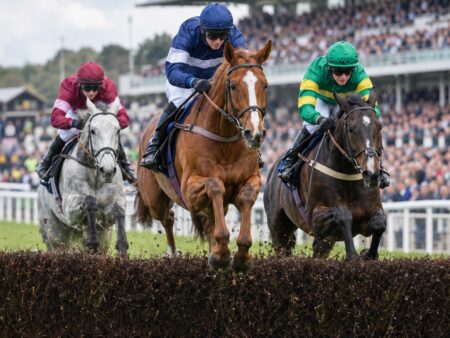
Cheltenham Is a Psychological Event as Much as a Racing One
The Cheltenham Festival is not just another week of horse racing in Britain — for many UK punters it is the emotional centre of the entire National Hunt season. Offices stop working properly, WhatsApp groups explode with “bankers,” betting apps stay open all afternoon, and even people who barely touch racing the rest of the year suddenly build five-horse each-way accas based on ITV coverage and pure optimism. Cheltenham combines elite racing quality, massive betting liquidity, aggressive bookmaker marketing, social betting culture and emotional crowd behaviour into one of the most intense gambling environments in the UK calendar — a mix that creates real opportunity, but also destroys discipline very quickly. Most casual bettors arrive believing the challenge is finding winners; experienced racing bettors know the real challenge is avoiding emotional mistakes while the entire market becomes emotionally charged.
Why Cheltenham Markets Behave Differently From Ordinary Racing
Regular weekday racing can feel fragmented, but for four days the entire UK horse racing industry — bookmakers, racing media, syndicates, professional gamblers, betting exchanges, tipsters and recreational punters — focuses on the same races. That concentration creates incredibly efficient markets: odds are analysed relentlessly through sectional timing data, trainer intent, stable whispers, ground reports, pace projections, betting exchange movement and liability management. By Festival week, obvious pricing mistakes are usually corrected fast. At smaller meetings, weak pricing can survive for hours; at Cheltenham, value disappears fast.
Why So Many UK Punters Lose Discipline During Cheltenham
Cheltenham creates a dangerous psychological environment because betting becomes constant — there’s always another race, another market move, another “can’t lose” favourite, another tipster claiming inside information, another boost, another near miss. That constant stimulation encourages overbetting: punters who normally place two or three disciplined bets a weekend suddenly fire across handicaps, novelty markets, ante-post specials and random each-way doubles simply because the atmosphere feels impossible to ignore. Bookmakers understand this perfectly, which is why Cheltenham week is flooded with free bet promotions, enhanced odds, “money back if second” offers and heavily promoted acca boosts — the goal isn’t only attracting bets, it’s increasing betting frequency, and Cheltenham makes frequent betting feel normal.
The Cheltenham Markets Most Punters Gravitate Towards
Win Betting
Simple and emotional, especially in the Gold Cup, Champion Hurdle, Queen Mother Champion Chase and Stayers’ Hurdle. Public money floods toward television narratives, celebrity trainers and emotional storylines, so a horse can be the most likely winner while still offering poor value.
Each-Way Betting
Deeply British, and it makes real sense in competitive handicaps and wide-open fields where bookmakers extend place terms aggressively. But each-way betting is not automatically value betting — bookmakers know punters psychologically prefer “having a chance of collecting something” over making mathematically efficient bets, and that tendency is heavily priced into the market.
Ante-Post Betting
Begins months before the Festival, chasing inflated early prices and hype horses. It feels exciting because punters believe they’re getting ahead of the market, but it carries major uncertainty from injuries, changing targets, non-runners and ground shifts — which is why Non-Runner No Bet concessions matter so much during Festival season.
Why Cheltenham Favourites Become Dangerous
One of the biggest myths in British horse racing is that “Cheltenham bankers are safe.” They aren’t. Favourites often become overbet precisely because the entire UK betting public gravitates toward certainty during high-profile races, and television coverage amplifies this heavily — once a horse becomes “the banker of the week” or “the nap of the Festival,” its price frequently contracts beyond its true probability. Profitable betting isn’t simply about finding winners; it’s about finding prices that are bigger than they should be, and many Festival favourites are simply too short to justify the risk.
Why Ground Conditions Matter More Than Casual Punters Realise
Cheltenham betting is deeply connected to going conditions — a horse that looks brilliant on soft ground can become completely vulnerable on good-to-soft, and vice versa. Experienced Festival bettors spend huge amounts of time analysing rainfall, drainage, course updates, weather forecasts and clerk-of-the-course reports, because Cheltenham’s uphill finish and demanding track layout magnify stamina issues dramatically. Late races run on softened ground often become brutal physical tests rather than pure speed contests, and casual punters frequently underestimate how much conditions reshape a race entirely.
The Role of Public Bias in UK Horse Racing
British racing culture naturally creates emotional betting around famous trainers, hyped jockeys, ITV Racing narratives and “Festival horses.” Stables such as Willie Mullins, Nicky Henderson and Paul Nicholls attract enormous public money automatically during Cheltenham week — sometimes deservedly, sometimes emotionally. Professional bettors rarely care about reputation alone; they focus on probability relative to price, and that distinction is everything at Cheltenham.
Why the Smartest Cheltenham Bettors Usually Look Boring
Few betting events in Britain create stronger emotional pressure than Cheltenham. Social gambling culture, fear of missing out, near misses, racing hype and non-stop betting opportunities combine into classic emotional behaviour: chasing losses after bad races, increasing stakes impulsively, building unrealistic accumulators, betting races purely for action, or forcing opinions where no edge exists. Many punters lose more money through this kind of emotional escalation than through bad racing analysis.
This is something many casual punters dislike hearing, but the most disciplined Festival bettors often place fewer bets, skip entire race cards, ignore hype horses, avoid massive accumulators and refuse to chase losses emotionally. They focus on value, discipline, market timing and bankroll structure — not excitement — because over four intense Festival days, emotional survival matters just as much as racing knowledge. The Festival rarely rewards the loudest bettor. It usually rewards the most disciplined one.